

त्वमापस्त्वम् भूमि: त्वयि परिणतायाम् नहि परं
त्वमेव स्वात्मानं परिणमयितुं विश्ववपूषा
चिदानन्दाकारं शिवयुवतिभावेना बिभृषे ॥ ३५
-Soundarya Lahari
From past few decades, the term ‘Chakras’ gained massive popularity in the people who practice Yoga, meditation, and Natural Healing compare to other terms of the Yoga. Sadly, most of us understand what chakras are as they were defined by new age Yoga Gurus. They define chakras as disc or flower of Energy located on various part of our body. They are associated with emotional centres and spiritual centres on our physical body but their locus is on our astral body. There are mainly 7 chakras; each is associated with one of the five elements, colours, and has Bij Mantra (Root mantra).
These definitions and understanding is not totally wrong, but there are few misconceptions regarding Chakras, mainly because of the earlier translators of original Sanskrit text did not understand the concept of chakras and few salient features are wrongly translated in English. These scholars adopted the Sanskrit terms as per their basic understanding of western occultism. These misunderstanding became popular and norm due to most of the 20th century books written by Indian Yoga Gurus; who took the idea from these wrongfully translated text and most of them skip the step of referring original Sanskrit literature.
Let’s understand from the basics:
The name chakra literally means wheel or disc, however in various Sanskrit scriptures energy centres are called; Chakras, Padmas (Lotuses), Adharas, Laksyas (Focal points) etc. As per tantric tradition, these energy discs or flowers (Padmas) are energy structures; their locus is on astral body just above where the numbers of nadies (channels or meridians) converge.
Most of the modern Yoga Gurus talks about only one system “The Seven Chakras system”. In fact there are so many chakra systems that it cannot be explained comprehensively in single blog. Every branch of the Tantra and Yoga follows various chakra systems, some tradition articulate more than one system, for example there are five chakra system, six chakra system, seven chakra system, nine, ten, twelve, and twenty-one etc. there are total 114 chakras. the Seven Chakra system is most famous, these seven (6+1) chakra system became famous in 16th century due to Sanskrit text “Sat Chakra Nirupana” (Explanation of Seven Chakra) written by Purnananda Yati in year 1577 B.C. His work was translated by various scholars and it became the base of the most of the modern books written on Yoga dealing with chakras. Hence most of us are only familiar with this famous seven chakra system. However, there are still some traditions, admittedly in very law numbers follow different chakra system. For example, Tantrik Buddhism from Tibet follows Five Chakra system and Three Bindu System.
So you must be thinking, which system is the right one? Now, let’s understand that chakras are the gateway of the Energy, but they do not have any physical form. They are connected various nadies, but these nadies are not nervous system present in physical body. The chakras are manifestation of energy only, present on Astral body (Sukhshma Shrir); which is very fluid reality. Moreover, this energy body can have any numbers of chakras hence there are multiple chakra system and they all are equally correct and important.
Many English texts explain chakras as existential phenomenon and they are very descriptive with their language.
For example, Root chakra which is located at base of the spine, and is red in colour, blossom like a lotus having four petals, ‘LAM’ “लं” is bij mnatra and associated with Earth element and emotionally associated with stability, security, abundance, no ego, no expectation, decision making power.
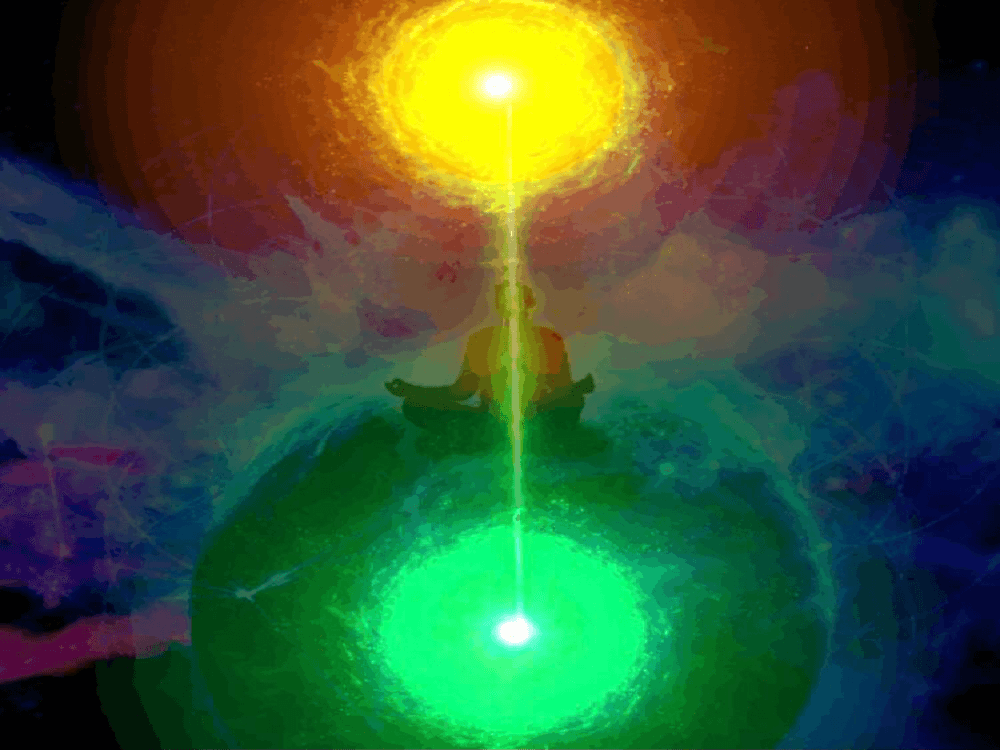
As we discussed earlier, chakras are pure form energy, they do not exist physically. In yoga, practitioner visualize the manifestation of subtle object made of coloured light, in shape of flower, spinning in clockwise manner having Bij Mantra (Active Mantric Syllable) in its centre. So chakras are prescriptive in nature not descriptive.
Countless literatures claim regarding chakras and their association with emotions, metals, minerals, herbs etc. For example, the Root Chakra is associated with emotions: security, stability; metal is gold, and herbs are ginger and sage. If you feel that your Root Chakra is imbalance then you should incorporate gold, ginger, sage in your routine life. This is somewhat modern and western concept, which does not exist in any original Sanskrit text. In fact, no tantric and yogic text return in ancient time, claim the association of any specific chakra with any specific emotion. Rather each petal of the lotus-chakra is associated with specific emotion and physiological state. Same way, their association with some metals, herbs, crystals, food, etc. is also a modern concept and its genesis is in the mistranslated literature.
.
The main purpose or aim to establish any specific chakra system is to use them as template for Nyasa; to energize the specific point. There are two ways.literature.
By the use of Bij Mantra. Each chakra is associated with mystical sound of Sanskrit syllable. Most modern Yoga Gurus declared them as Bij mantra of that chakra only. It is not entire truth. These Bij Mnatra is associated with one of the five elements, not chakras. We use specific Bij mantra (active mantrik syllable) and visualise it in the centre of the chakra, to place the element in that chakra. For example, in Seven Charka system (this example is given because it is most popular system) Bij mantra is “लं” , “वं”, “रं”, “यं”, “हं”, “ॐ”. Here, Root Chakra has Bij mantra “लं”, which Nyasa (place) earth element there. Now, I hope it’s been clear to you the purpose of Bij mantra. So, Seven chakra system puts qualities of Earth element in Root chakra by the use of “लं” hence Root chakra in Seven Chakra system is associated with stability. So basically stability is not associated with Root chakra generally, but it is associated with the element that we place in Root chakra by the use of Bij mantra. If we want place different element in Root chakra or put Earth element in different chakra we use Bij mantra accordingly.
By the Karana Devi, let’s also understand this by example of Seven Chakra system. Each chakra is associated with specific deity. There is also fixed sequence, from lowest to highest: “Ganesha”, “Brahma”, “Vishnu”, “Rudra”, “Ishwara”, “SadaShiva”, “Bhairava”. If we use Five Chakra system, first and last deity (Ganesha and Bhairava) are absent.
So in conclusion, we now understand that there are many Chakra systems and each is as important as the other. And each Chakra is prospective in nature rather than descriptive. Their association with herbs and metals are part of western philosophy and do not have any origin in the ancient Indian text. No Chakra is associated with any element or Bij mantra and various chakra systems use the Bij mantra to place the element in a desirable chakra to achieve desirable result.
.