

गृहम्, उज्ज्वालयतु जीवनम् अपि |
Dipawali is not just one day that marks the end of present year, as a time marker. Like many other festivals associated with new-year. In fact, it is 7-10 days celebration which includes few days from both the years; previous year and next year. It symbolise various aspects of Indian socio-cultural values, traditions, and retell the stories of various Indian mythology.
Traditional Dipawali includes; Rama Ekadashi, Vaak-Baras, Dhanwantari Tryodashi/DhanTeras, Naraka Chaturdashi/KaliChaudas, Deepawali, Govardhan Pooja/, Bhai-Dooj, Shubh/Labh Panchami.
Let’s go through each day of the festival one by one and understand the values, tradition, and reasoning behind their name and rituals. Starting with the Rama Ekadashi followed by Vaak-Baras.
Rama Ekadashi:
स्वाध्यायज्ञानयज्ञाश्च यतय: संशितव्रता:॥
In modern times people celebrates Dipawali on Dhanteras; however, traditionally Dipawali begins with the Ekadashi of krishna paksha(dark lunar days) of Ashwin/Kartik month depending on your geographical location. Rama Ekadashi is observed in the month of Kartik according to Hindu Lunar calendar in most part of the India, in the state of Gujarat, Maharashtra, Karnataka, Andhra Pradesh it occurs during in the month of Ashvin/Aso, and as per Tamil calendar it occurs in the month of ‘Puratassi’.
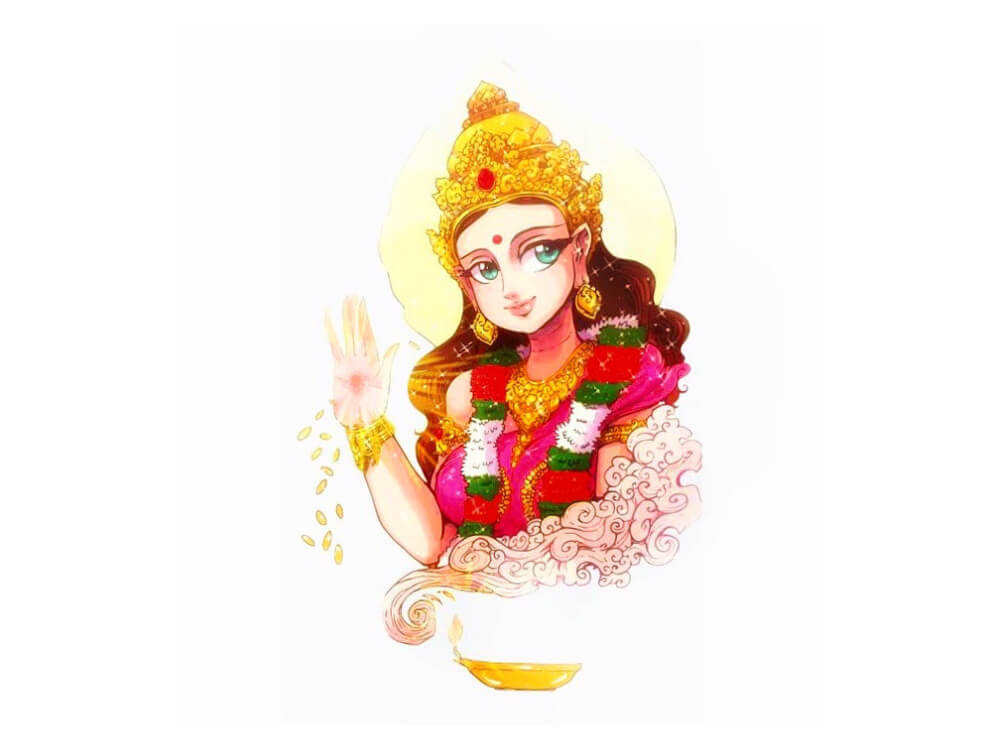
‘Rama’ is another name of Maa Laxmi; goddess of wealth. Ekadashi is sacred day for the people who believe in Vaishnav tradition. It is a day to worship Lord Vishnu. People keep vrat/fast on both ekadashi of each month to show their devotion to lord Vishnu. But Rama Ekadashi is the only ekadashi in entire year which is dedicated to both Vishnu and Lakshmi. As per the Brahma-Vaivarta Purana of Srila Krishna Dwaipayana Ved Vyasa. Keeping fast on this day holds the same merits as performing 100 Rajasuya Yagya or 1000 Ashwamedha Yagya. It will eradicate all the sins and grant the blessing of Maa Lakshmi and Lord Vishnu in form of the Moksha/Salvation.
On deeper level, worshiping both Lakshmi and Vishnu on same day symbolize the importance of “equilibrium of domestic life”.
Vaak Baras:
In parts of India, Deepawali celebration starts with Vaak-Baras, Baras of Krishna paksh of Ashvin/Kartik month of Hindu Lunar calendar.
Vaak is Sanskrit word, literally means language, however its larger meaning contains knowledge or Goddess of knowledge of skills Maa Sarswati. On this auspicious day many people show their gratitude to Goddess Sarswati and thank her for the skills and knowledge they acquire during entire year. Maa Sarswati is believed to be removal of stiffness by providing ‘Gyan’, provide liberation and open mindset to her devotees.
प्रजावतीः पुरुरूपा इहस्स्युरिंद्राय पूर्वीरुष्सोदुहानाः ॥
यूयं गावो मे दयथा कृशं चिदश्रीरं चित्कृणुथा सुप्रतीकम् ।
भद्र गृहं कृणुथ भद्रवाचो बृहद्वो वय उच्यते सभासु ॥
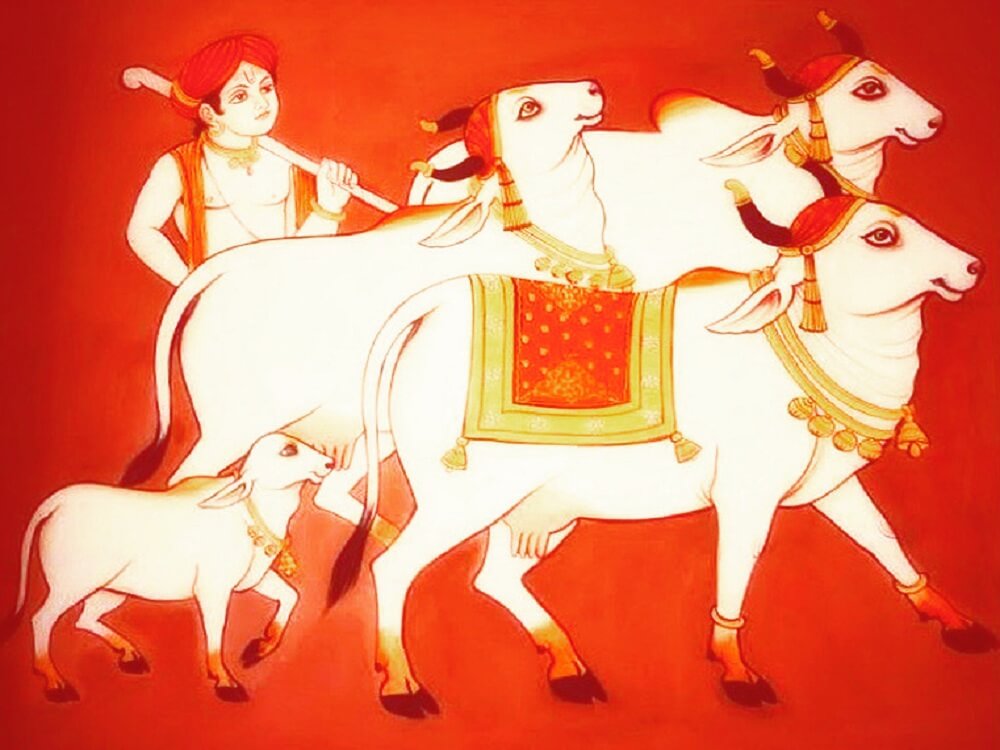
Govatsa Dwadashi is another name of Vaak-Baras, govatsa means cow. Cow and calves are worshiped on this day, in Indian culture cow is sacred animal and its divine presence is loved by all Gods. On religious point of view, cow is associated with Lord Krishna and represents his virtues; how he was grassing cattles in the open field as a ‘Goval’ in spite of having all the knowledge and power of entire Universe.
As per mythology of ‘Samdura Manthan’, all wish fulfilling divine cow ‘Kamdhenu’ appears out of Ksheer Sagar (ocean of Milk) during the event of churning of milk-ocean, and it was given to seven sedges (Saptarishi). Kamdhenu is considered to be housing all the Gods and can fulfil all the wishes.
On socio economic point of view; agriculture based society like India, cow act as backbone of economy and plays major role in means of production.
Vasu- Baras is celebrated in Maharastra on the same day. Vasu also means cow.
Nandini Vrat, Nandi is a divine mount of Lord Shiva, and Nandini means consort of Nandi so it literally means cow. Many people across the India keep fast on this day, which is called Nandini Vrat. They worship the cow by doing Gau Pujan, offer moong, jeggery, and grass to cow and her claves.
Vaag-Baras, is celebrated in many parts of Gujarat and some tribal areas of western central India. Some experts believe that it is mispronunciation of Vaak-Baras. However, this is not a simple case of wrongfully pronounced name, many tribes and villagers celebrate Vaag-Baras by worshiping the tigers; Vaag in Gujarati means Tiger. Tribal economy and culture is deeply woven with jungle, animal and their products. Animal worshiping especially like apex predator Tiger is their primitive way to show gratitude towards Nature.
Many Gujarati businessman clear all financial dept and clear their ledger (Khata) on this day and do not conduct any more business related transaction till the day of Labh-Panchami. Even a single act of cleaning indicates cleaning of not only materialistic junk but also removal of negative blockage from our mind and heart. It is time to clean our soul and purify our thoughts in same manner that we clean our house or office by removing all unnecessary, unwanted things and bringing new objects to boost fresh beginning. Let’s continue this celebration, in our next few blogs.